

Guide to Easements for QLD Property Owners
When it comes to property ownership, there are various terms that are used to describe different rights and interests associated with land. One of these terms is an easement. An easement is a right to use someone else’s land for a specific purpose, without owning that land. In Queensland, easements can be created by different means, and they can have various implications. In this article, we will explore the basics of property easements in QLD, including their types, creation and management.
Overview of Property Easements
An easement is a legal right that allows a person or entity to use someone else’s land for a specific purpose. The person who benefits from the easement is called the beneficiary, while the person who grants the easement has a burden over their property. The burdened owner retains ownership of the land but must allow the beneficiary to use it according to the terms of the easement.
Property easements can be created by different means, including:
- Express grant — where the burdened owner grants the easement to the beneficiary in writing
- Implied grant — where the easement is necessary for the proper use or enjoyment of the beneficiary’s land, and it can be inferred from the circumstances
- Prescription — where the beneficiary has used the land for a specific purpose without permission for a continuous period of at least 20 years
- Statute — where an Act of Parliament provides for the creation of an easement
What Are The 4 Types of Easements?
There are different examples of property easements that can be created in QLD. The four most common include:
1. Right of Way
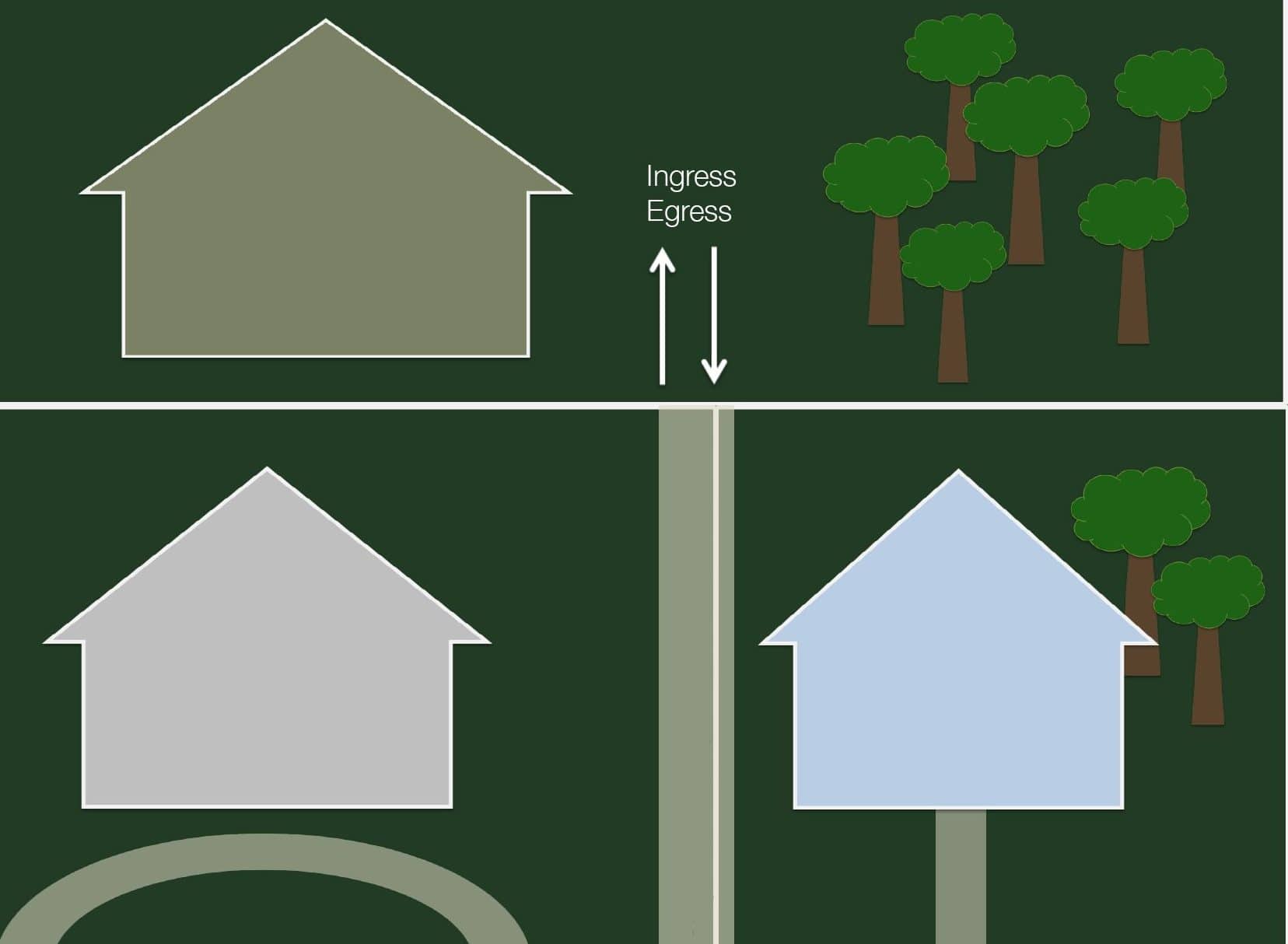
A right of way easement allows the beneficiary to use a path or driveway on someone else’s land to access their own property. This type of easement is commonly used in urban areas where properties are landlocked or have limited access.
2. Drainage Easement
A drainage easement allows the beneficiary to drain water from their property through someone else’s land. This type of easement is essential for properties that are located in low-lying areas or have poor drainage.
3. Utility Easement
A utility easement allows service providers, such as electricity, gas or telecommunication companies, to install and maintain their infrastructure on someone else’s land. This type of easement is necessary for the provision of essential services to properties.
4. Conservation Easement
A conservation easement restricts the use of someone else’s land to protect its environmental, cultural or historical values. This type of easement is commonly used by governments, non-profit organisations or private landowners who want to preserve natural habitats, heritage sites or scenic areas.
Creation of Property Easements
As mentioned earlier, easements can be created by different means, depending on the circumstances. However, there are some general principles that apply to the creation of easements in QLD:
- Easements must be created for a specific purpose and must be necessary or beneficial for the beneficiary’s land
- Easements must be created in writing and registered on the title of the servient land
- Easements must not interfere with the normal use or enjoyment of the servient land by the servient owner or other parties
- Easements must be maintained and repaired by the beneficiary, unless otherwise agreed
Management of Property Easements
Once an easement is created, it becomes a legally binding right that must be respected by both the beneficiary and the burdened owner. This means that the easement must be managed properly to ensure that it is used according to its terms and conditions. Some of the key aspects of managing easements in QLD include:
- Regular maintenance and repair of the easement by the beneficiary
- Payment of compensation to the servient owner for any damage caused
- Resolution of disputes through negotiation, mediation or legal action if necessary
- Compliance with any restrictions or conditions imposed on the easement, such as access times or load limits
- Notification of any changes or alterations to the easement to the relevant authorities and parties
- It is important for both the beneficiary and the servient owner to understand their rights and obligations regarding the easement and to seek legal advice if needed
Can a Change in Zoning Affect an Easement?
Yes, a change in zoning can affect an easement. Zoning refers to the land use regulations that govern the types of activities that can be conducted on a particular piece of land. For example, a change from residential real property to commercial property zoning may affect the use of an easement that was created for residential purposes only.
If the zoning change makes the use of the easement impractical or impossible, it may be necessary to modify or terminate the easement. This can be done by mutual agreement between the beneficiary and the servient owner or by a court order if there is a dispute.
It is important for property owners to be aware of any changes in zoning or land use regulations that may affect their easements and to seek legal advice if they are unsure about their rights and obligations. Failure to comply with zoning regulations can result in fines or legal action and can also affect the validity of the easement.
Understanding Property Easements and Their Impact
Easements are an important aspect of property ownership in QLD, as they can provide access, drainage, utility or conservation benefits to different parties. The creation and management of easements require careful consideration and adherence to legal requirements to ensure that the rights of both the beneficiary and the burdened owner are protected. As such, it is advisable for property owners to seek professional advice when dealing with easements to avoid any disputes or misunderstandings.
Get Support with Property Easements From Sunstate Conveyancing
At Sunstate Conveyancing, we provide the professional support needed when easements form part of a property title. Our team examines the relevant documents, outlines how each easement connects to the land and explains any responsibilities that follow. As QLD’s most trusted conveyancers, we make the information easier to understand, confirm that the details are properly recorded and help you move through your transaction with clarity.
If you would like assistance with an easement or guidance for your next property matter, contact Sunstate Conveyancing today.
FAQs
Q — Can an easement be cancelled or removed?
A — Yes, an easement can be cancelled or removed by mutual agreement between the beneficiary and the servient owner or by a court order if there is a dispute or a change in circumstances.
Q — Who is responsible for maintaining a drainage easement?
A — The beneficiary of a drainage easement is responsible for maintaining and repairing it, unless otherwise agreed with the servient owner.
Q — Can a right of way easement be used for parking or storage?
A — No, a right of way easement is usually limited to access and passage only and does not include the right to park or store vehicles or goods.
Q — What happens if an easement is breached?
A — If an easement is breached, the aggrieved party can seek legal remedies, such as an injunction, damages or termination of the easement.
Q — How long does an easement last?
A — An easement can last indefinitely, as long as the conditions and restrictions are met and there is no legal challenge or termination.
Q — Can an easement affect property development or renovations in Queensland?
A — Yes, an easement can influence how a property is developed or renovated. Easements often give another party the right to access or use a specific part of the land, which means that area cannot be altered in a way that interferes with the easement’s purpose. Before starting any development or renovation, it is important to review the terms of the easement and check whether approvals are needed from the party that benefits from it.
Q — How do I find out if there is an easement on a property in QLD?
A — You can find out whether a property has an easement by checking the title documents for the land. Easements are shown on the registered title and are usually accompanied by a plan or reference that explains where the easement is located and what it is used for. A conveyancer or solicitor can also conduct these searches on your behalf during a property transaction.
Q — Can I build a fence across a property boundary with an easement?
A — It depends on the type of easement and what it is used for. Some property easements allow a fence as long as access is not blocked and the purpose of the easement is not affected. Others forbid any structure on the easement area because it may interfere with access, maintenance or underground services. Before putting up a fence, you should check the details recorded on the title and review any conditions linked to the easement.
Q — Who can provide advice about easements?
A — If you have questions or concerns about easements, it is advisable to seek professional advice from a lawyer or an experienced conveyancer. They can provide you with information about the legal requirements for creating and managing easements, as well as your rights and obligations as a beneficiary or servient owner.
You can also contact the local council or the Department of Natural Resources, Mines and Energy in QLD for information about easements that may affect your property. They can provide you with copies of the relevant title documents, plans and easement agreements and can also advise you on any restrictions or conditions that apply to the easement.
In addition, it may be helpful to speak to your neighbours or other property owners who have easements on their land, to gain a better understanding of their experiences and any issues that may have arisen.
Q — Do easements carry over to the new ownership?
A — Yes, easements usually carry over to the new ownership when a property is sold or transferred. This means that the new owner will inherit the rights and obligations associated with the easement and will be bound by any conditions or restrictions that apply to it. However, it is important for both the seller and the buyer to disclose the existence and details of any easements that affect the property, to avoid any disputes or misunderstandings later on.
Q — Are all easements governed the same in NSW to QLD?
A — No, easements can be governed by different laws and regulations in different states or territories of Australia, including NSW and QLD. While there may be similarities in the requirements for creating and managing easements, there may also be differences in the terminology, procedures and legal remedies that apply. Therefore, it is important to seek professional advice that is specific to the jurisdiction where the property is located, to ensure compliance with the relevant laws and regulations.
Q — Should an easement have to be disclosed in the contract of sale?
A — Yes, an easement must be disclosed in the contract of sale when a property is being sold. The presence of an easement can affect the value and use of the property and can also create obligations and restrictions for the buyer. Therefore, it is important for both the seller and the buyer to be fully aware of any easements that may affect the property and to disclose them in the contract of sale.
The disclosure of an easement should include details such as the type of easement, its purpose, the rights and obligations of the parties involved and any restrictions or conditions that apply. This information can be included in the contract of sale or in a separate document, such as a section 32 statement or a title search report.
Failure to disclose an easement can result in legal action or financial penalties and can also affect the validity of the sale. Therefore, it is important for both parties to ensure that all relevant information is disclosed and understood before the contract of sale is signed.
This is general advice only; for specific legal advice, please contact your legal representative.