

Plan, Title Search, Title Deed: Originals & Copies
Are you planning to buy or sell a property in Queensland? If yes, then it is crucial to have a thorough understanding of the various aspects of property ownership. This includes the title reference, lot plan, title search and the original and electronic title deed copy. In this article, we will explain what each of these terms means and their significance in the property ownership process.
Whether you are a first-time homebuyer or an experienced property investor, understanding the legal aspects of property ownership is essential. One of the most crucial aspects of property ownership in Queensland is the title reference, lot plan, title search, title deed original and electronic copy. These terms may seem confusing, but they are essential for anyone buying or selling a property in Queensland.
In this article, we will be explaining a title deed and what other legal terms mean and their significance in the property ownership process. We will also answer some frequently asked questions about these terms to help you have a better understanding of the property buying and selling process in Queensland.
QLD Explaining Title Reference, Lot Plan, Title Search, Title Deed Original and Electronic Copy
Before we delve into the specifics of each of these terms, it is essential to understand what a title is. A title is a legal document that establishes ownership of a property. In Queensland, titles are managed by Titles Queensland.
Title Reference
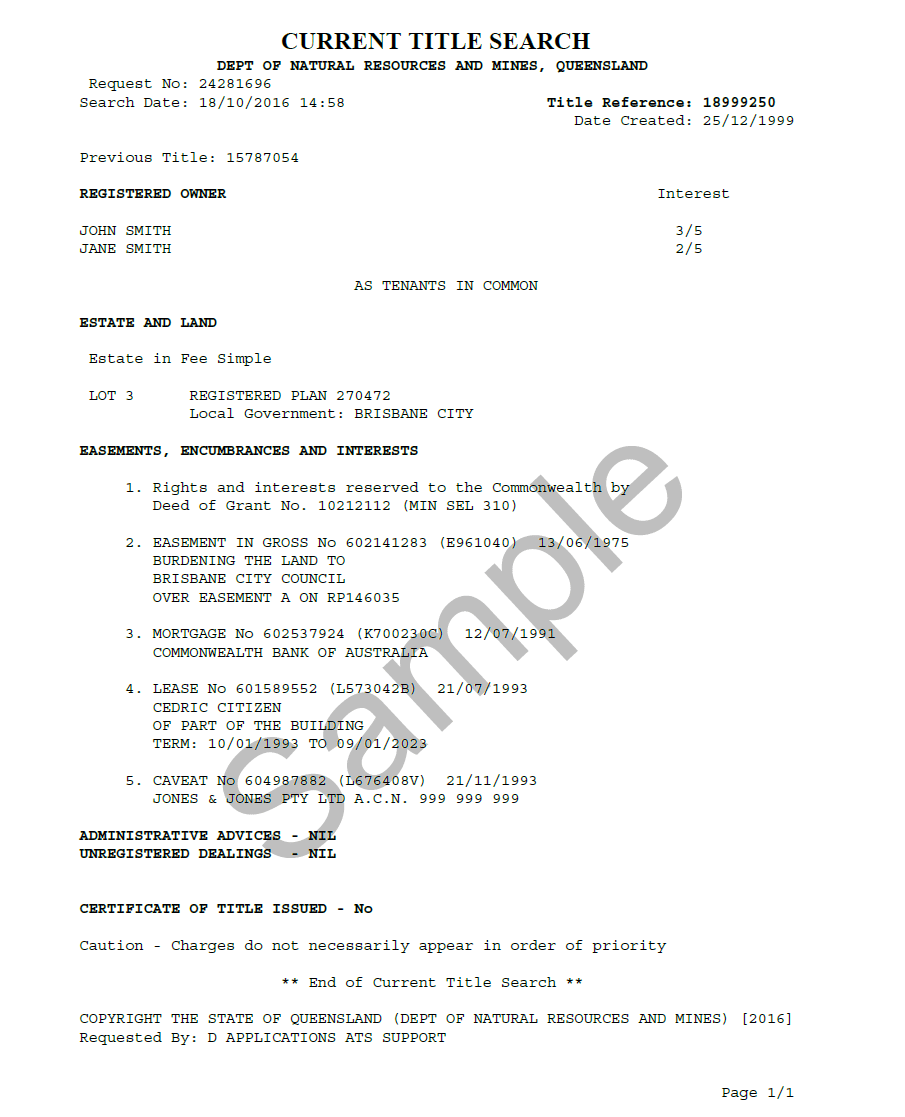
The title reference is a unique identifier assigned to each property in Queensland. It is an eight-digit number that identifies a property and is used to retrieve information about the property’s title, including the lot and plan number.
Lot Plan
The lot and plan number refer to the specific location of a property. The lot number is the number assigned to a specific piece of land, while the plan number is the number assigned to the survey plan that shows the property’s location.
Title Search
A title search is a search of the Queensland land titles register to retrieve information about a property’s title. This includes information such as the owner’s name, any registered interests or caveats and any encumbrances on the property.
Title Deed Original
A title deed original is a physical copy of the title document that establishes ownership of a property. This document includes information such as the property’s lot and plan number, the owner’s name and any registered interests or encumbrances.
Electronic Copy
An electronic copy of a title is a digital version of the title document. It is a legal and valid form of the title and can be used in place of a physical title deed original.
FAQs
Q. What is the significance of a title reference in property ownership?
A title reference is a unique identifier that helps to retrieve information about a property’s title, including the lot and plan number. It is essential in the property ownership process as it helps to establish ownership and retrieve information about the property.
Q. Why is a title search important when buying or selling a property?
A title search is essential when buying or selling a property as it helps to retrieve information about the property’s title, including the owner’s name, any registered interests or caveats and any encumbrances on the property. This information is crucial in making an informed decision about buying or selling the property.
Q. What is a title deed original, and why is it important?
A title deed original is a physical copy of the title document that establishes ownership of a property. It is essential as it serves as proof of ownership of the property, and it contains important information such as the owner’s name, the lot and plan number and any registered interests or encumbrances.
Q. Can an electronic copy of a title be used in place of a physical title deed original?
Yes, an electronic copy of a title is a legal and valid form of the title and can be used in place of a physical title deed original.
Q. How can I obtain a title search for a property in Queensland?
You can obtain a title search by contacting Titles Queensland. They provide an online service for obtaining a title search, or you can request a search in person at one of their customer service centres.
Q. Is it necessary to have a title deed original to sell a property in Queensland?
No, it is not necessary to have a title deed original to sell a property in Queensland. An electronic copy of the title is a legal and valid form of the title and can be used in place of a physical title deed original.
Q. I have lost my paper title deed. Can I get another copy?
If you have lost your Queensland title deed, you can obtain a new copy from Titles Queensland. You can request a copy of the title deed by providing evidence of your identity and proof of ownership of the property. The process may take some time, and there may be fees involved, but it is possible to obtain a new copy of your title deed. Paper title deeds are no longer required in Queensland as they are all stored electronically.
Q. Can a conveyancer or real estate agent obtain a copy of the title deed?
Yes, both a conveyancer and a real estate agent can obtain a copy of the title deed for a property. In fact, it is a common practice for them to do so in order to verify the property ownership and check for any encumbrances or other issues that may affect the sale or purchase of the property. The title deed is usually obtained from the relevant land registry or government agency.
In conclusion, understanding the legal aspects of property ownership is essential when buying or selling a property in Queensland. The title reference, lot plan, title search, title deed original and electronic copy are all crucial aspects of property ownership and play an important role in establishing ownership and retrieving information about the property.
By having a better understanding of these terms, you can make more informed decisions about buying or selling a property in Queensland. If you have any further questions or concerns about these terms or the property ownership process in Queensland, it is recommended to consult with a licensed professional such as a solicitor or conveyancer.
Q. Do I need to register my ownership manually once I buy a property in Queensland?
No, you do not need to register ownership yourself.
In Queensland, your conveyancer or solicitor manages the registration process as part of the settlement. Once settlement is completed, the transfer of ownership is lodged with the Titles Registry and your name is recorded on the property title. This step is essential because it legally confirms you as the new owner.
As part of explaining a title deed, registration is what turns the contract of sale into recognised ownership under Queensland law. After registration, your ownership details can be verified through an official title search.
Q. How does Queensland’s transition to electronic titles affect older properties with paper title deeds?
Older properties that once relied on paper title deeds have been included in Queensland’s move to an electronic titling system.
While paper titles may still exist for some properties, dealings are now completed electronically through the Titles Registry as part of modern conveyancing practices. This means owners are no longer required to physically store or present original paper title deeds during a sale or refinance, which reduces the risk of documents being lost or damaged.
The legal information contained in those deeds has been digitised and is accessed through a title search that reflects the most current ownership details. For buyers and sellers, this change reduces administrative steps while keeping ownership records accurate and secure throughout the transaction process.
Q. Can I check a property’s title or encumbrances online myself without a solicitor?
Yes, it is possible to order a title search online through the Queensland Titles Registry or approved providers.
A title search shows current ownership details, registered interests and any encumbrances such as mortgages or easements that may affect how the property can be used or transferred. However, while the information is accessible, interpreting it correctly can be challenging, especially for buyers or sellers without legal experience.
Understanding how entries on title deeds affect a transaction is a key part of explaining a title deed. A conveyancer or solicitor can review the results of a title search, clarify what each entry means and explain how any listed interests may impact your purchase or sale before you proceed.
This is general advice only, for specific legal advice speak to your expert legal representative or solicitor.